
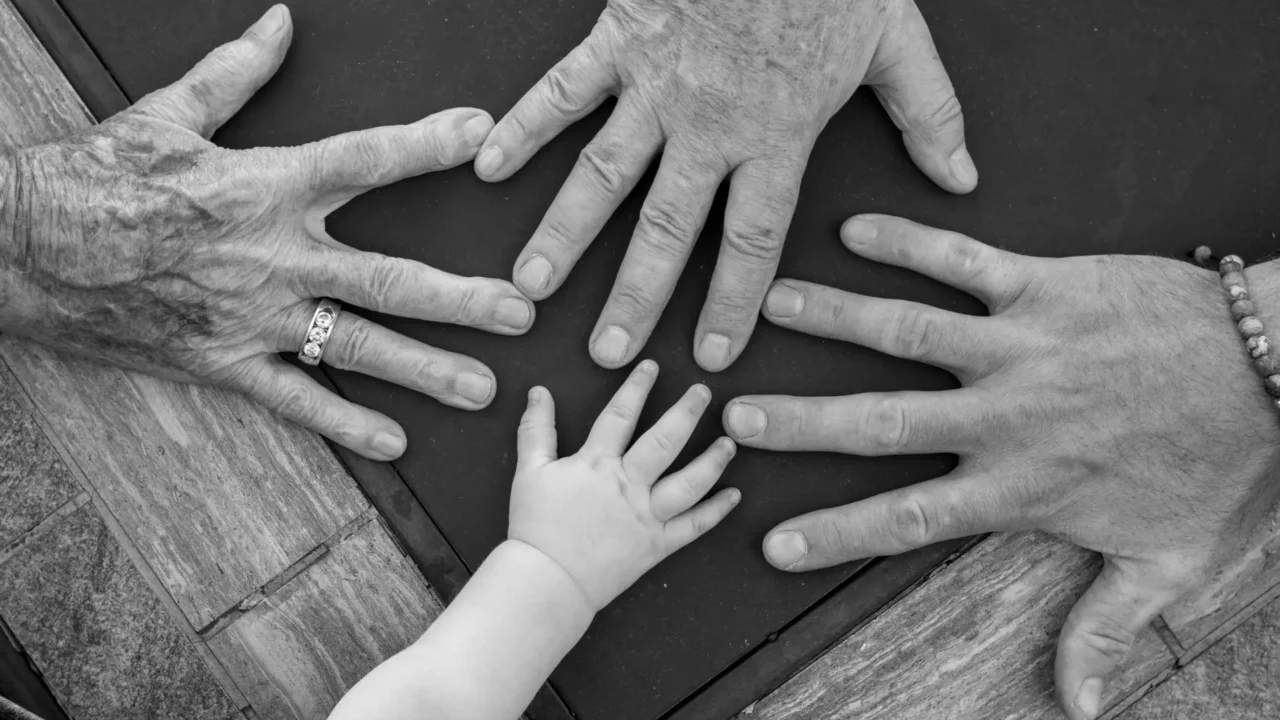
Trauma is rarely confined to one individual. When a community endures war, genocide, colonization or systemic oppression, the reverberations echo across generations. Children and grandchildren of survivors may inherit not only stories but also patterns of hypervigilance, mistrust and shame. This phenomenon, intergenerational or transgenerational trauma, affects cultural identity and mental health. A 2025 systematic review on intergenerational trauma notes that collective traumas have lasting effects on survivors and their descendants and that understanding these transmissions is crucial for developing effective interventions and policies[10]. Healing intergenerational trauma requires addressing historical injustices, validating lived experiences and integrating therapeutic approaches like EMDR that help reprocess inherited pain.
How Trauma is Transmitted Across Generations
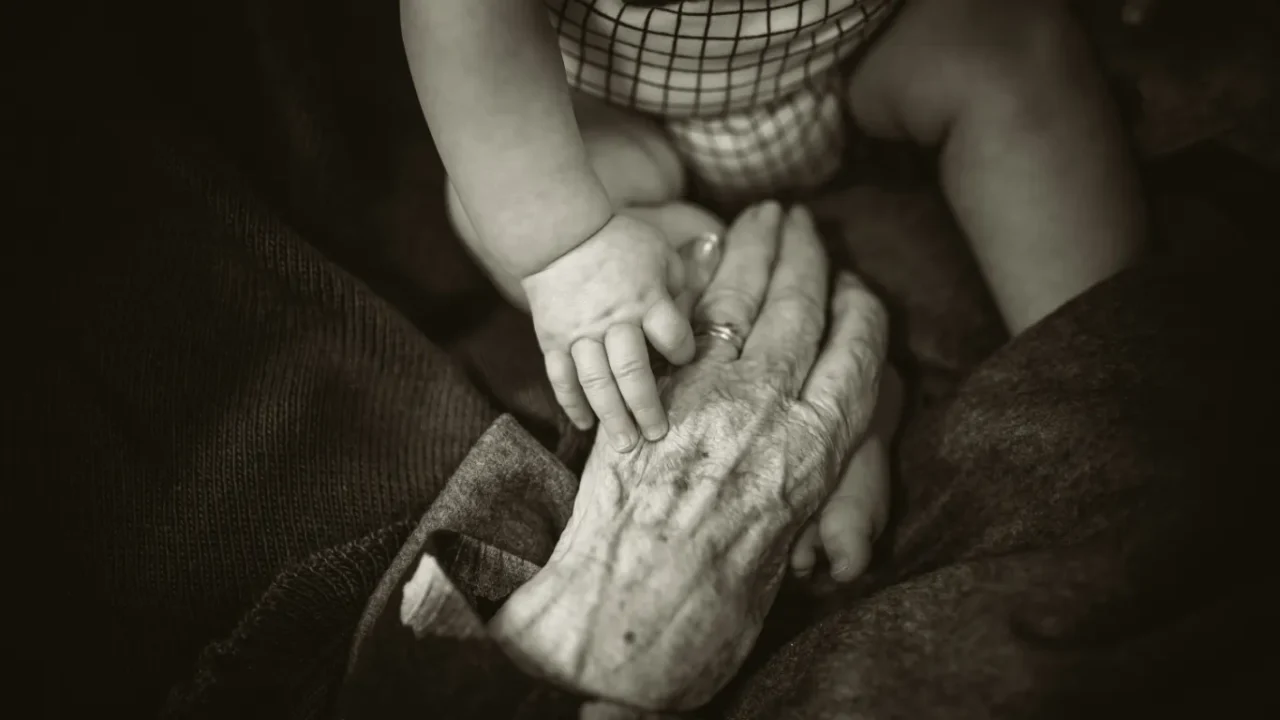
Intergenerational trauma can be passed down biologically, psychologically and socially. Epigenetic research suggests that trauma can influence gene expression, affecting stress responses in descendants. On a psychological level, parents may unconsciously transmit trauma through parenting behaviours, communication patterns and coping styles. Survivors might avoid discussing traumatic events, creating secrecy that fuels shame and confusion. Children may pick up on unresolved grief and internalize the belief that the world is unsafe. Cultural traditions may also be impacted; rituals and languages can be lost due to assimilation policies or fear, further eroding identity.
Recognizing Signs of Intergenerational Trauma
Individuals affected by intergenerational trauma may experience:
- Persistent mistrust: difficulty trusting authority figures or institutions due to historical betrayal.
- Survival guilt: feeling guilty for having opportunities denied to ancestors.
- Hypervigilance: heightened fear of danger or repeated patterns of overprotectiveness within families.
- Internalized oppression: believing negative stereotypes about one’s cultural group.
- Cultural disconnection: loss of language, rituals or traditional knowledge.
Paths to Healing
- Storytelling and ancestral education. Learning one’s history provides context for present struggles and breaks the silence around collective traumas. Elders, community leaders and historians can share stories of resilience alongside suffering.
- Cultural reconnection. Participating in traditional rituals, learning ancestral languages, cooking cultural foods and engaging in community arts strengthen identity and pride.
- Therapy and EMDR. Individual therapy can help uncover internalized trauma responses. Eye Movement Desensitization and Reprocessing (EMDR) allows clients to process inherited pain, while group therapy offers communal healing. At Elnita Ottey & Associates, therapists work with clients to integrate cultural heritage into therapy.
- Community activism and advocacy. Healing is also social. Advocating for policy changes, reparations and systemic reforms honours ancestors and addresses ongoing injustices. Community healing circles provide collective support and empowerment.
Embracing Cultural Strengths
While intergenerational trauma can perpetuate pain, cultural heritage also carries resilience. Indigenous teachings, spiritual practices and collective values emphasize connection and community. Recognizing cultural strengths, such as communal caregiving, storytelling and spiritual beliefs, helps restore balance. Healing involves both processing trauma and celebrating cultural identity. For example, reconnecting with the land through gardening or traditional ceremonies can provide grounding and a sense of continuity.
Conclusion
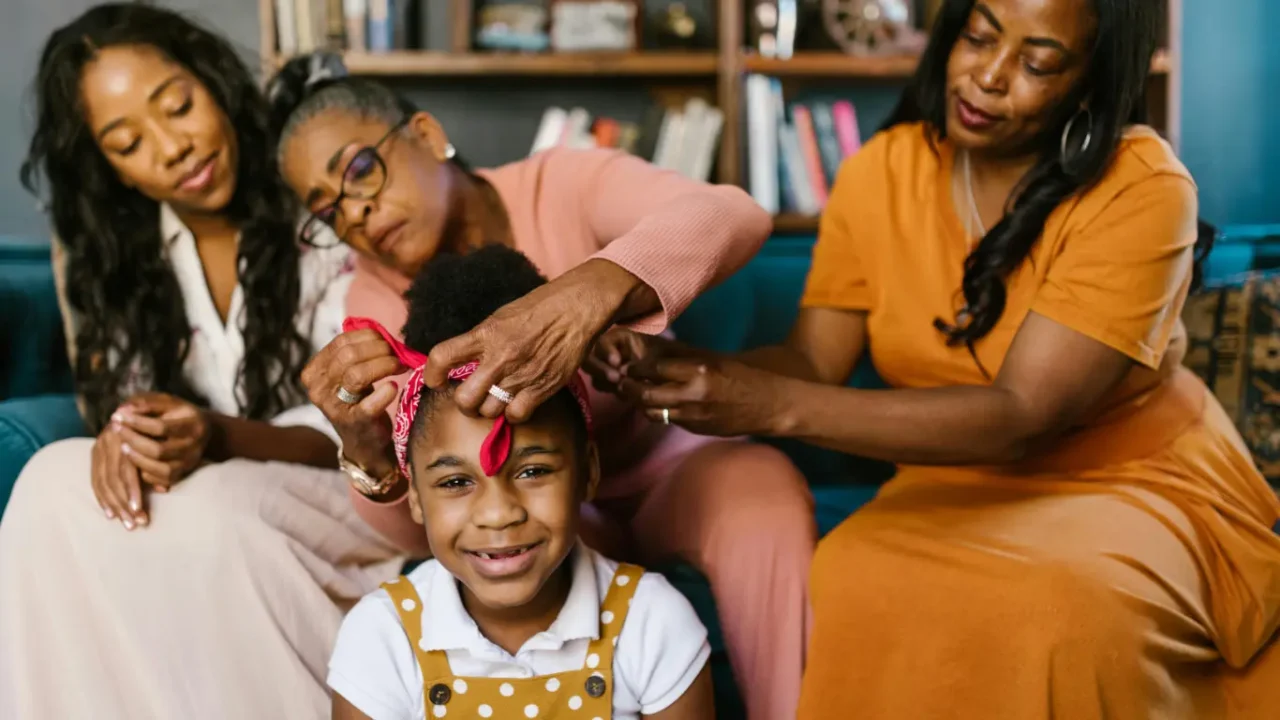
Intergenerational and cultural trauma requires a multifaceted approach that honours history, restores identity and integrates therapeutic practices. Understanding that trauma is transmitted across generations reminds us that healing can also be collective. By connecting with ancestors, engaging in advocacy and seeking trauma‑informed therapy, individuals and communities can transform inherited wounds into resilience. Elnita Ottey & Associates stands ready to support those navigating intergenerational trauma, offering culturally sensitive EMDR therapy and resources for empowerment.
💡 Intergenerational trauma can affect your health, relationships, and sense of identity, but healing is possible. At Elnita Ottey & Associates, we provide culturally sensitive EMDR therapy to help you process inherited pain, reconnect with your roots, and build resilience for future generations.
📍 In-person sessions are available in Monroe, NC and the Charlotte metro area.
🌐 Virtual therapy available for clients in NC, SC, TN, OK, CO, OR, and VT.
➡️ Learn more at elnitaottey.com or verify credentials at emdria.org.