

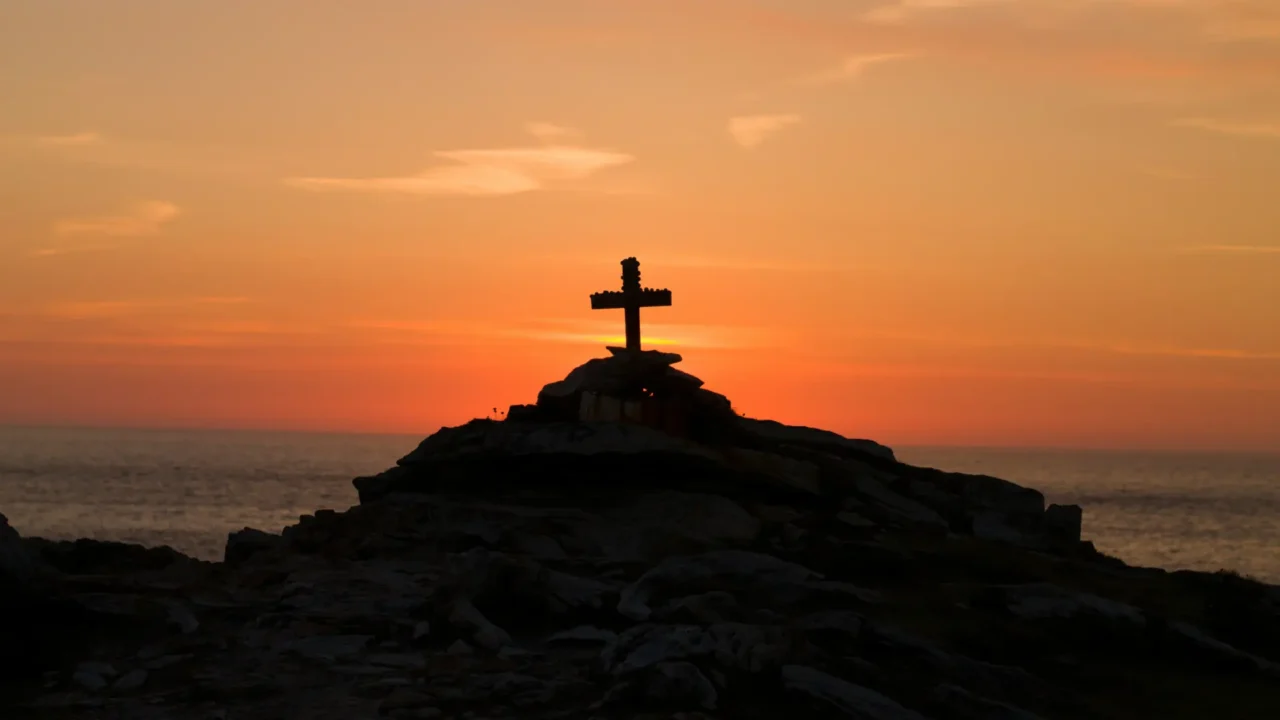
For many people, faith and spirituality provide comfort, community and a sense of purpose. However, after trauma, beliefs can be shaken, and rebuilding faith after trauma can feel confusing and overwhelming. Survivors may ask: “Why did this happen? Did I do something wrong? Where was God?” Spiritual distress is a normal response to extraordinary events. Mental Health America notes that religion, faith and spirituality can serve as protective factors against stress and that integrating spiritual dimensions into treatment is associated with increased resilience and recovery[11]. Rebuilding involves making space for doubt, exploring new understandings of the divine, and incorporating spiritual practices that support healing. Many individuals benefit from trauma-informed therapy that allows space for both emotional and spiritual healing.
How Trauma Impacts Faith and Spiritual Beliefs
Trauma can lead to feelings of abandonment, anger toward a higher power, or guilt for surviving. Survivors might feel disconnected from their religious community or believe they no longer fit in. Others may question long‑held beliefs because trauma challenges the assumption that good things happen to good people. Spiritual distress may manifest as:
- Loss of meaning: struggling to find purpose or value in life.
- Blame and shame: believing that trauma occurred as punishment.
- Isolation: feeling misunderstood by religious leaders or communities.
- Disconnection from rituals: being triggered by religious ceremonies or symbols.
These experiences are common for individuals navigating rebuilding faith after trauma, especially when beliefs have been closely tied to identity and meaning.
Pathways to Spiritual Healing
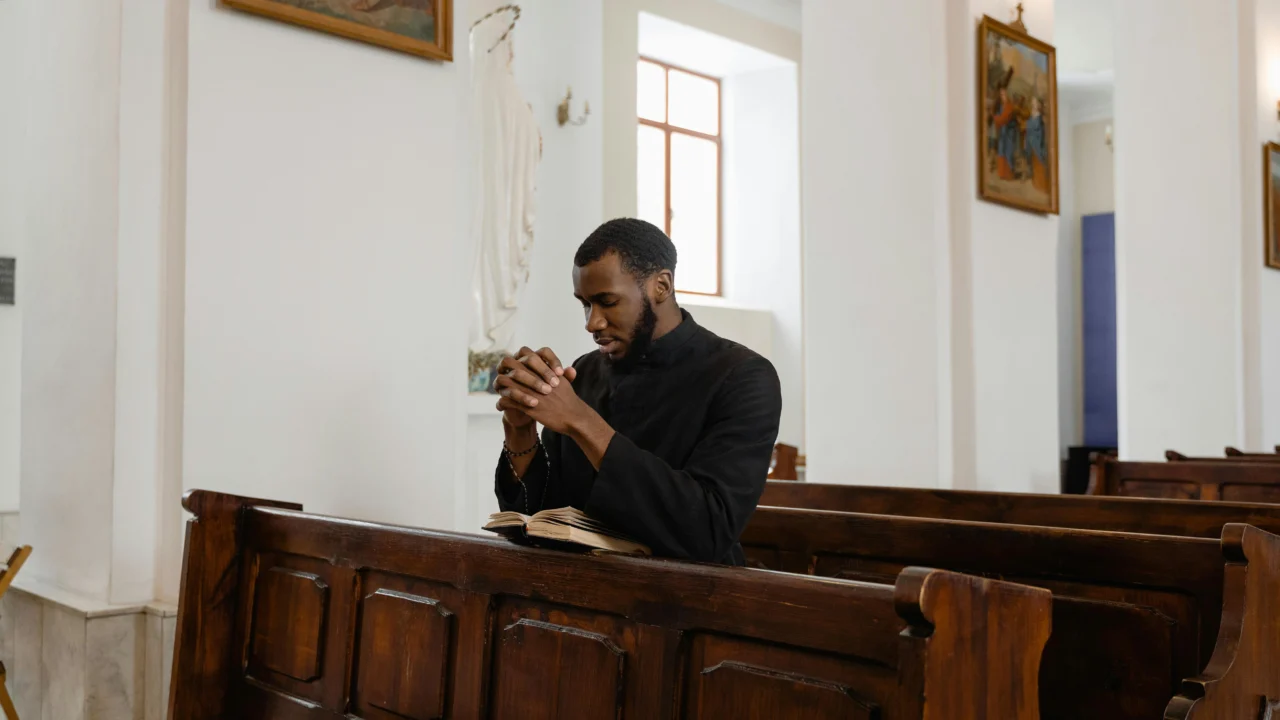
- Acknowledge and express doubts. Healing begins by honestly naming anger, confusion and grief. Journaling, prayer, or talking with a trusted spiritual leader can help.
- Seek trauma‑informed spiritual care. Many faith leaders and chaplains now receive training in trauma‑informed care. They can offer safe spaces to explore theological questions without judgement.
- Integrate spirituality into therapy. For many clients, rebuilding faith after trauma involves exploring how spiritual beliefs can coexist with healing work such as EMDR and trauma-informed care. At Elnita Ottey & Associates, therapists invite clients to bring their spiritual beliefs into sessions if they wish. Practices like prayer, meditation or sacred reading can be paired with EMDR to reprocess trauma through a spiritual lens.
- Explore new spiritual practices. Some survivors find solace in nature, music, art or movement. Others explore different religious traditions or contemplative practices like centring prayer or mindfulness. These practices can help connect to a sense of something larger. Many of these practices also support nervous system regulation, helping the body move out of stress and into a calmer state.
- Join supportive communities. Finding or forming support groups where members share similar faith backgrounds and trauma experiences can reduce isolation. Many faith communities offer trauma recovery ministries.
Reframing Beliefs
Trauma can be an invitation to expand one’s understanding of the divine. Some survivors develop a theology that embraces the reality of suffering while affirming love and resilience. Others shift from belief in an all‑controlling God to a God who weeps with the afflicted and empowers human agency. A trauma‑informed spirituality acknowledges that anger and doubt are part of faith and does not rush survivors to “forgive and forget.”
Conclusion
Rebuilding faith after trauma is a deeply personal journey that may involve questioning, grieving and exploring new spiritual paths. Spiritual distress deserves compassionate care, just like physical or psychological wounds. Recognising spirituality as a potential source of strength can enhance recovery. Whether through prayer, meditation, community or quiet contemplation, connecting with something greater than oneself can bring comfort and hope. For those seeking guidance, Elnita Ottey & Associates provides trauma‑informed therapy that respects diverse spiritual journeys and supports clients in integrating faith and healing.
📍 In-person sessions available in Monroe, NC and the Charlotte Metro area.
🌐 Virtual sessions offered in NC, SC, TN, OK, CO, OR, and VT.
➡️ Learn more at www.elnitaottey.com or find a certified EMDR therapist at https://www.emdria.org