
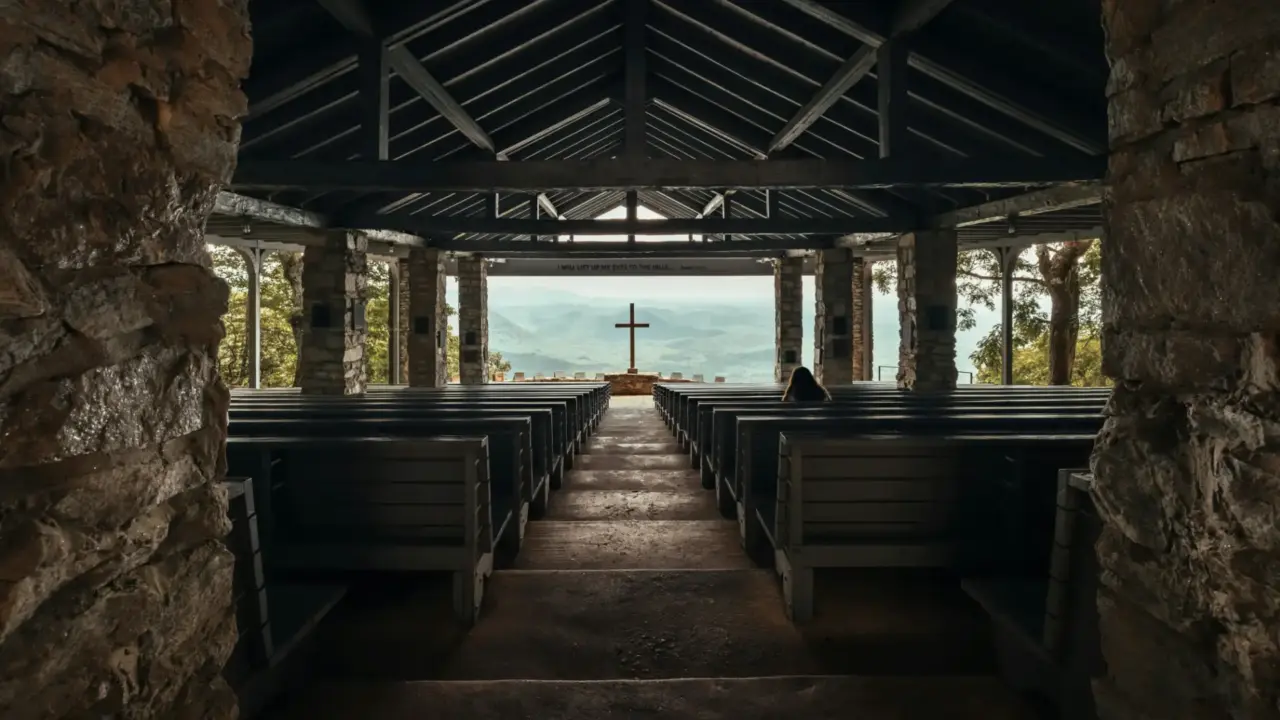
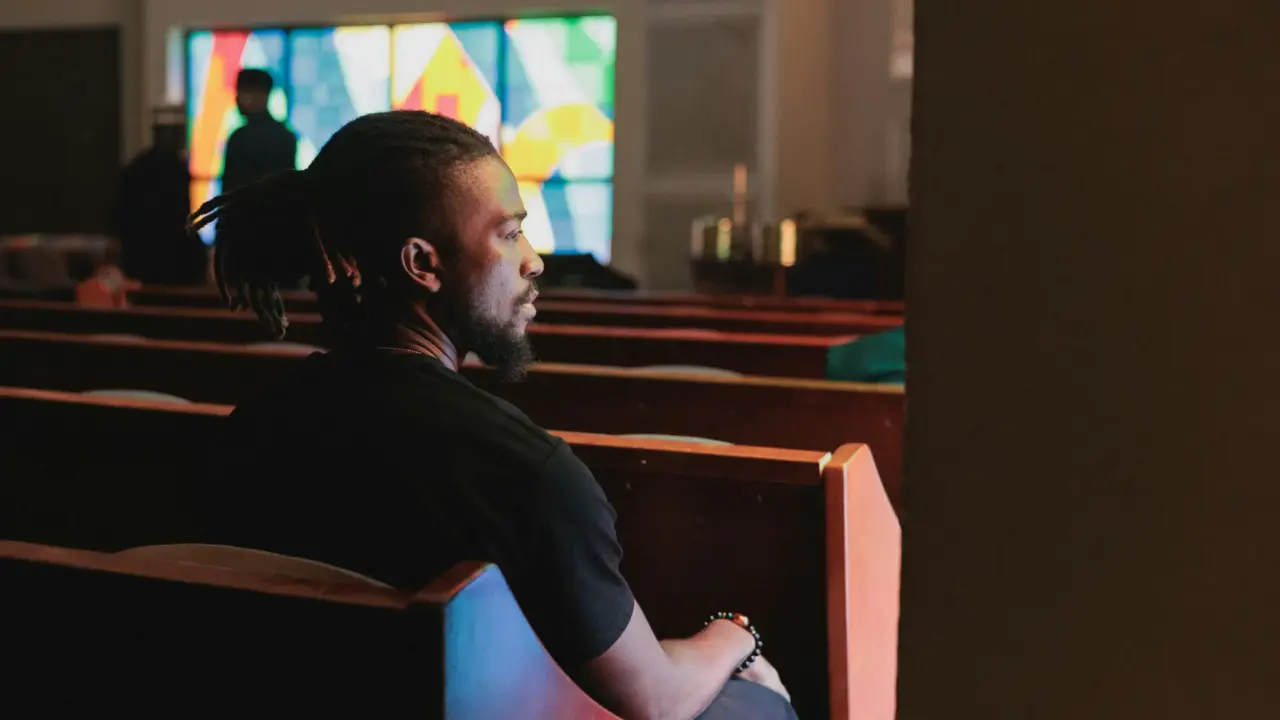
Faith was supposed to be your anchor. Your community was supposed to be your safe place.
But somewhere along the way, it became a source of fear instead – fear of judgment, fear of not being enough, fear of asking the wrong question or having the wrong doubt. And now, even years later, certain words, spaces, or expectations can send your body straight into alert.
You may feel guilty for even naming this. Like questioning it means you’re ungrateful, unfaithful, or broken.
You’re not.
You’re not spiritually weak. Your nervous system is responding to something that genuinely hurt you.
What Religious and Spiritual Trauma Can Look Like
Trauma connected to faith communities doesn’t always come from one dramatic event. Often, it builds slowly, through chronic fear-based teaching, rigid control, shame around identity or doubt, spiritual bypassing of real pain, or communities that prioritized image over honesty.
It can show up as:
- Anxiety or dread around religious spaces, language, or holidays that once felt meaningful
- Difficulty trusting your own judgment or intuition
- Guilt or shame that feels disproportionate to whatever “wrong” you did
- A fractured sense of identity after leaving or questioning a community
- Grief for a faith, or a version of yourself, that no longer feels accessible
None of this means your faith, or someone else’s, is inherently harmful. It means a specific set of experiences left your nervous system associating something that should feel safe with fear instead.
Why This Kind of Trauma Is Often Overlooked
Religious and spiritual trauma is frequently minimized, even by the people experiencing it. It can be hard to name harm in a space that also gave you community, meaning, or comfort. It can feel disloyal to acknowledge pain caused by people or beliefs you were taught to trust completely.
The Substance Abuse and Mental Health Services Administration describes trauma as an experience that has lasting adverse effects on a person’s functioning and well-being, and that definition doesn’t require the harm to have been intentional, or the environment to have been entirely negative. Two things can be true at once: a community can have offered real belonging, and specific patterns within it can still have caused real harm.
How the Nervous System Holds Onto This
When fear, shame, or control are consistently paired with something meant to represent safety and belonging, the nervous system learns to treat that thing as a threat, even long after you’ve left the environment or the environment itself has changed.
This is why a certain hymn, a familiar building, a particular tone of voice, or even a specific phrase can trigger a physical stress response that feels disproportionate to the present moment. Your body isn’t overreacting. It’s remembering previous trauma.
This pattern often intensifies around questions of identity, doubt, or personal autonomy, areas where fear-based teaching tends to have the strongest hold.
Religious Trauma Isn’t the Same as Questioning Your Faith
Questioning your beliefs, changing your relationship with religion, or disagreeing with a faith community isn’t automatically trauma. Spiritual growth can involve doubt, uncertainty, and changing beliefs without causing lasting psychological harm.
Religious or spiritual trauma becomes a concern when experiences connected to faith leave you with persistent fear, shame, loss of trust, difficulty feeling safe, or other symptoms that interfere with your daily life. This can happen through experiences such as chronic fear-based teaching, spiritual manipulation, coercive control, public shaming, or being made to believe that your thoughts, emotions, identity, or questions are inherently wrong.
The goal of healing isn’t to determine whether a particular belief system is right or wrong. It’s to understand what happened to you, recognize how those experiences continue to affect you, and rebuild a sense of safety and personal agency.
Healing Without Having to Choose a Side
You don’t have to decide, right now, what your relationship to faith or spirituality will look like going forward in order to begin healing. Recovery from religious or spiritual trauma isn’t about rejecting belief or defending it, it’s about helping your nervous system separate genuine safety from fear-based control.
This can include:
- Making space for complexity — allowing both gratitude and grief to exist together
- Rebuilding trust in your own perception — especially if your judgment was consistently overridden
- Processing specific harmful experiences — rather than generalizing pain onto every belief or person involved
- Bilateral stimulation and nervous system regulation — helping your body settle around triggers that once felt inescapable
- EMDR therapy — for reprocessing specific memories connected to shame, fear, or control
For some people, healing may eventually include rebuilding faith after trauma and finding a spiritual relationship that feels safe and authentic again.
Tools That Support Nervous System Regulation
EMDR Therapy
EMDR can help you reprocess specific memories connected to religious or spiritual harm, a moment of public shaming, a rigid rule that caused real damage, a loss of community, so those memories stop triggering the same intensity of fear or shame in the present. Learn more about EMDR at emdria.org.
Bilateral Stimulation Music
Bilateral stimulation can offer a gentle way to support your nervous system when spiritual triggers arise, without requiring you to resolve every belief question at once.
🎧 Free resource: Listen whenever heaviness, grief, or old fear resurfaces:
When Depression Feels Heavy | Unstuck Bilateral Beats
Use headphones for the full bilateral stimulation effect. Give yourself permission to simply notice what comes up, without needing to fix or explain it.
Reconnecting With Your Own Voice
Much of religious trauma recovery involves slowly rebuilding trust in your own internal sense of right, wrong, and meaning, separate from any external authority that once demanded total compliance.
A Note to the Reader Carrying This
If any part of this resonated with you, I want you to know something important.
Naming harm within a faith community doesn’t erase whatever good it also gave you. And healing from that harm doesn’t require you to reject everything, or to keep everything exactly as it was.
You’re allowed to hold complicated feelings about your spiritual history. And you’re allowed to want peace with it, on your own terms, at your own pace.
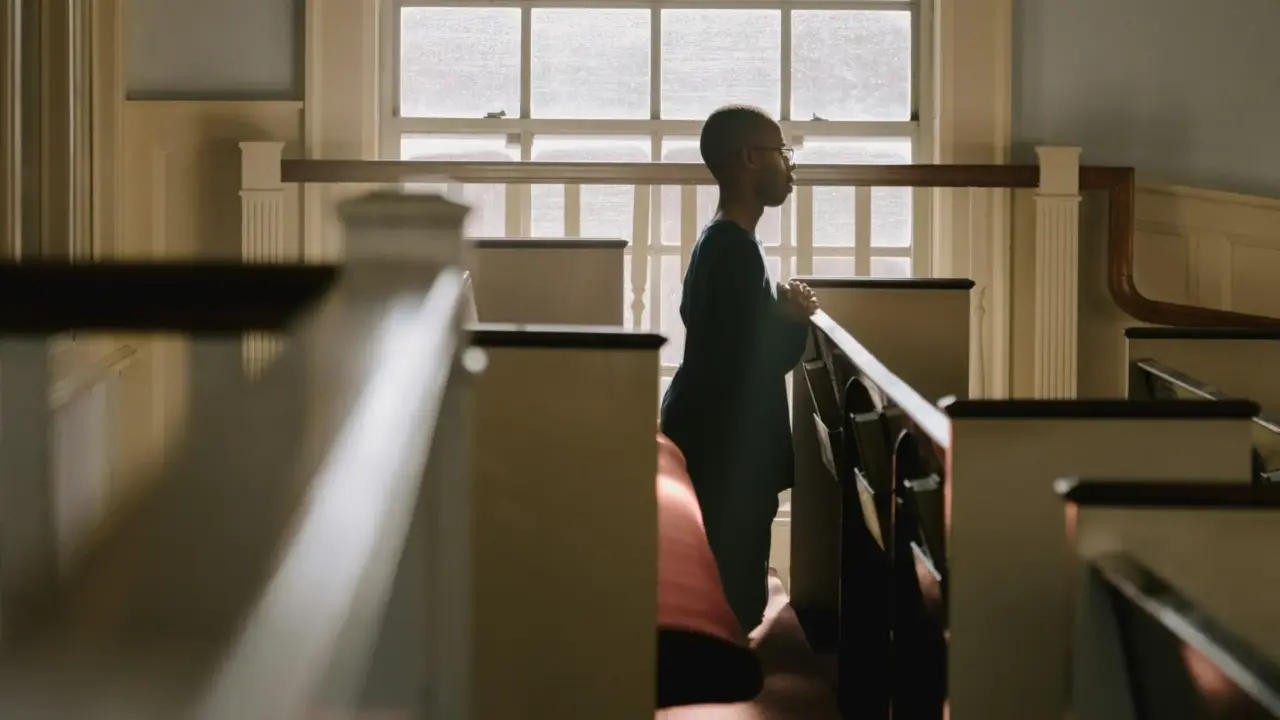
Ready to Work Through Religious or Spiritual Trauma?
If experiences within a faith community are still affecting your sense of safety, identity, relationships, or trust, you don’t have to work through them alone.
At Elnita Ottey & Associates, I offer trauma-informed, EMDR-based therapy for adults working through religious and spiritual trauma — without asking you to abandon, defend, or define your beliefs before you’re ready.
📍 In-person therapy available in Monroe, NC and the Charlotte Metro area
💻 Virtual therapy available in NC, SC, CO, OK, OR, TN, VT, and ID
📅 Schedule a consultation
Elnita Ottey is a Licensed Clinical Mental Health Counselor (LCMHC), EMDRIA-Certified EMDR Therapist, and nationally certified TF-CBT specialist based in Monroe, NC. She is the owner of Elnita Ottey & Associates Counseling and Consulting Services, PLLC and the creator of the Unstuck with Elnita Ottey YouTube channel.
This blog post is for educational purposes only and is not a substitute for professional mental health treatment.