



Trauma is stored not only in the mind but also in the body. Muscles tense, posture tightens and the nervous system stays on alert. These body-based symptoms are exactly why many survivors benefit from somatic practices for trauma recovery, which help release stored tension and support regulation. Talking about trauma is important, but words alone may not release the body’s chronic stress.
Somatic therapies engage body awareness and movement to help discharge stored energy and restore regulation. Somatic Experiencing (SE), developed by Peter Levine, focuses on noticing bodily sensations and completing thwarted fight‑or‑flight responses. A scoping review found that SE aims to treat PTSD by changing body sensations and that initial evidence shows positive effects on PTSD symptoms and improvements in affective and somatic symptoms[16]. Another article describes a somatic skill training program (Community Resiliency Model) that increases self‑compassion and emotion regulation and reduces stress, anxiety and depression[17]. These approaches form the foundation of effective somatic practices for trauma recovery, helping the body relearn safety.
Why Somatic Practices Matter
Trauma floods the nervous system with energy meant to help us fight or escape danger. When we cannot complete these responses—because the danger is too great, the trauma is ongoing or we freeze—the energy remains locked in the body. Somatic practices help release this tension and teach the body that it is safe to relax. They complement EMDR and talk therapy by addressing sensations and movement patterns.
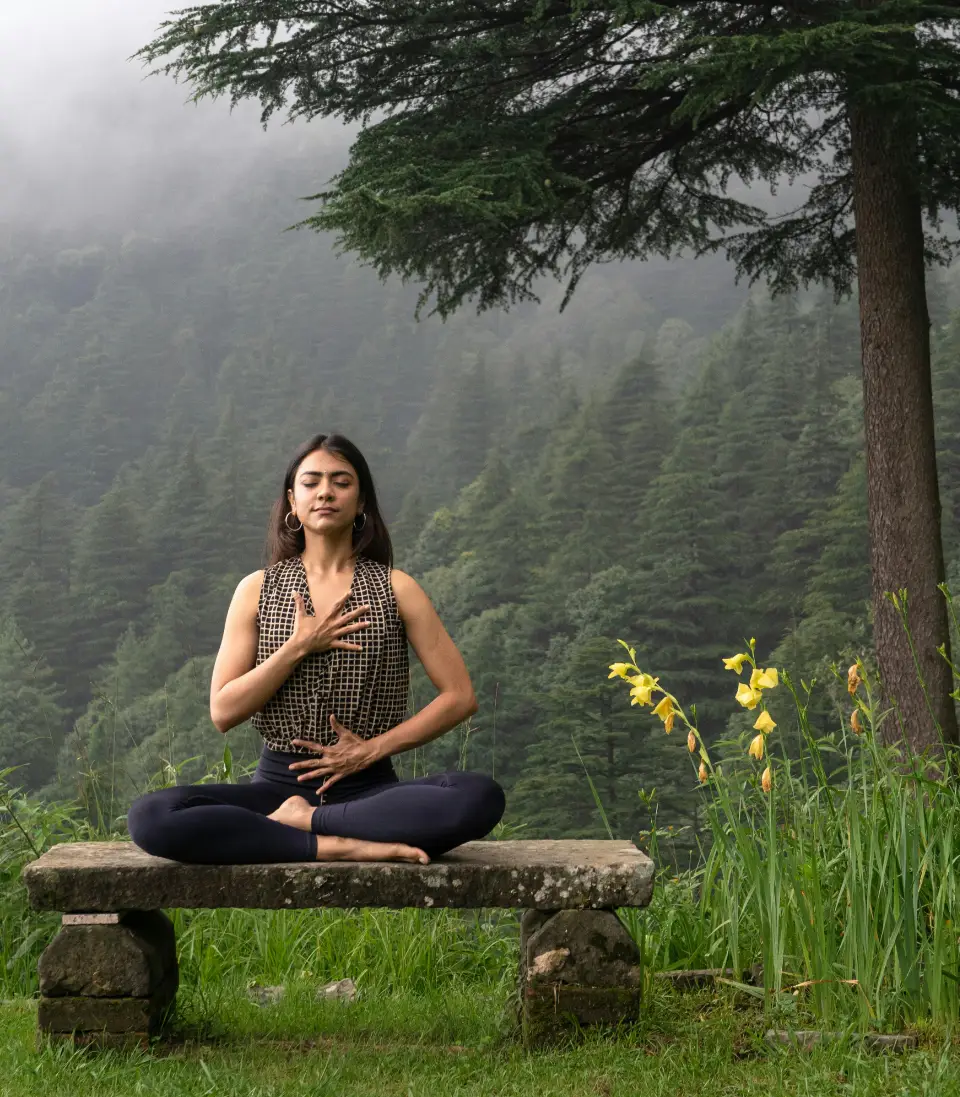
Types of Somatic Practices
Below are some of the most widely used somatic practices for trauma recovery, each targeting different aspects of the nervous system.
- Somatic Experiencing (SE). SE guides clients to track body sensations and “pendulate” between areas of tension and ease, allowing the nervous system to discharge energy gradually. Touch is used with consent to provide a sense of containment and support[16].
- Tapping/EFT (Emotional Freedom Techniques). This method involves tapping on specific acupressure points while focusing on distressing thoughts. It appears to calm the amygdala and reduce cortisol, helping to regulate the nervous system.
- Gentle movement and stretching. Practices like tai chi, qigong, dance or mindful walking help reconnect the mind and body. Movement invites pleasure and can release endorphins, reducing pain and depression.
- Breathwork. Conscious breathing exercises slow the heart rate, activate the parasympathetic nervous system and reduce hyperarousal. Techniques include diaphragmatic breathing, box breathing and alternate‑nostril breathing.
- Body scans and progressive muscle relaxation. Focusing on each body part sequentially allows clients to notice tension and consciously relax muscles. Progressive muscle relaxation pairs tension with release, teaching the difference between the two states.
- Community Resiliency Model (CRM). This model teaches six somatic skills to stabilise the nervous system, including tracking sensations, resourcing (connecting to positive sensations), grounding, gesturing, help now! strategies and shift and stay[17]. CRM has been used in communities to reduce stress and build resilience.
Integrating Somatic Work with Psychotherapy
At Elnita Ottey & Associates, therapists integrate somatic practices with EMDR and cognitive therapies. Clients may begin sessions with a body scan to identify areas of tension. During EMDR processing, clients are encouraged to notice sensations that arise and use grounding techniques to stay present. Somatic exercises are practised between sessions as part of a self‑care routine. This holistic approach helps regulate the nervous system, improves emotional awareness and fosters self‑compassion. This blended model supports both cognitive healing and the body-based shifts essential in somatic practices.
Getting Started
If you’re new to somatic practices, start with simple exercises:
- Grounding through your feet. Stand barefoot and feel the floor beneath you. Shift your weight from heel to toe; notice how your body adjusts.
- Gentle shaking. With knees slightly bent, gently shake your arms, legs and torso. Imagine releasing tension with each shake. This can be done for one or two minutes to discharge energy.
- Breath and stretch. Inhale slowly as you raise your arms overhead; exhale as you lower them. Combine with a gentle side stretch and notice how your ribcage expands.

Conclusion
Somatic practices invite the body into the healing process. By paying attention to sensations and allowing the body to release stored energy, survivors can feel more grounded and resilient. Research indicates that somatic therapies like Somatic Experiencing and the Community Resiliency Model reduce PTSD symptoms and improve emotional regulation[16][17]. If you’re curious about integrating somatic work into your trauma recovery, Elnita Ottey & Associates offers guidance and support. Healing is not just about revisiting the past; it is also about reclaiming your body’s ability to feel safe and alive.
💡 Somatic practices can help release stored trauma and restore balance to the nervous system. At Elnita Ottey & Associates, we integrate somatic techniques, EMDR, and trauma-informed therapy to support whole-body healing.
📍 In-person sessions available in Monroe, NC and the Charlotte Metro area.
🌐 Virtual sessions offered in NC, SC, TN, OK, CO, OR, and VT.
➡️ Learn more at www.elnitaottey.com or find a certified EMDR therapist at emdria.org.